~ All US Orders include FREE Shipping and FREE Luxury Gift Wrapping! ~

The Timeless Elegance of Trifari Jewelry
Explore the rich history of Trifari jewelry, a symbol of timeless elegance and vintage charm. Discover how this iconic brand has shaped the world of vintage jewelry over the decades.
2/17/20268 min read
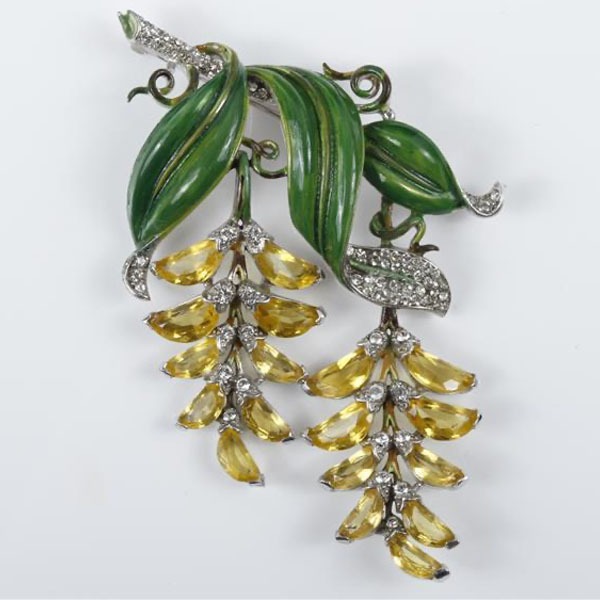
The Founding of Trifari: A Legacy of Craftsmanship
Trifari Jewelry was established in 1910 by Italian immigrant Gustavo Trifari, who would go on to leave an indelible mark on the costume jewelry industry. In partnership with his cousins, Leo and Carl Cuttnaf, Gustavo envisioned a brand that would combine artistry with affordability, revolutionizing the way women adorned themselves. Trifari's commitment to craftsmanship and innovation swiftly set the brand apart in a crowded market.
The brand's early designs reflected Gustavo's European heritage, integrating classical motifs with a modern sensibility. Each piece showcased meticulous attention to detail and quality, key attributes that would define Trifari's reputation. From the outset, the goal was clear: to create elegant jewelry pieces that not only captured the essence of high-end fashion but were also accessible to the everyday woman.
Trifari's unique approach allowed it to forge a path within the burgeoning costume jewelry sector. In a time when fine jewelry dominated, Trifari presented an alternative that featured intricate designs using innovative materials and techniques. This emphasis on high design and affordability attracted a clientele that included fashion-forward individuals and celebrities alike, solidifying Trifari's place as a leader in the industry.
As the brand expanded, it became synonymous with elegance, crafting pieces that would later be described as timeless treasures. With the fallacy that costume jewelry could not possess legacy value, Trifari proved that artistic pieces could also hold significance and allure. Today, the legacy of Trifari Jewelry lives on, not only in its classic pieces that continue to resonate with collectors but also as a testament to the founders' enduring vision for crafted artistry.
Rise to Prominence: Key Influential Designs
Trifari, a prominent name in the world of costume jewelry, ascended to prominence through a combination of innovative design, quality craftsmanship, and strategic collaborations. During its peak, several key collections and pieces emerged that defined the brand and showcased its commitment to elegance and creativity.
One of the most notable lines that propelled Trifari to fame was the "Signature" collection, which featured intricate designs combining gold-tone metals with gemstones and enamel. The use of innovative materials, such as thermosetting plastics, allowed Trifari to create bold styles that were both affordable and appealing to a wide audience. This approach not only set them apart from other jewelry makers of the time but also placed them at the forefront of fashion trends.
The iconic "crown" motif, a hallmark of Trifari designs, further solidified the brand's reputation. It became synonymous with luxury, elegance, and sophistication. Trifari’s collaboration with renowned designer Alfred Philippe in the 1940s led to the creation of exquisite pieces characterized by intricate detailing and a modern aesthetic, transforming the perception of costume jewelry from a mere accessory to a statement of individuality and style.
Cultural phenomena also influenced Trifari’s designs, as they adapted to the shifting tastes of the public. During the post-war era, the rise of Hollywood glamour inspired many collections that echoed the styles of famous actresses, making Trifari jewelry a popular choice among celebrities. The meticulous craftsmanship and artistry behind each piece resonated with consumers, further enhancing the brand's allure.
Through these influential designs and strategic partnerships, Trifari not only showcased its artistry but also played a crucial role in the evolution of costume jewelry, leaving an indelible mark on the fashion industry that continues to be appreciated today.
Embracing New Eras: Fashion Trends and Adaptations
Trifari jewelry has long been a symbol of innovation and adaptability, mirroring the dynamic fluctuations of fashion from the 1920s through the 1970s. During the Roaring Twenties, the Art Deco movement inspired bold geometric shapes and vibrant colors, which Trifari embraced in their designs. Pieces adorned with semi-precious stones, crystals, and enamel reflected the exuberance of the era, capturing the spirit of flappers and jazz culture. Classic motifs like tassels and fringe became hallmarks of the jewelry style, epitomizing the decade's fascination with movement and luxury.
As the 1930s approached, the Great Depression brought about significant societal changes. In response, Trifari shifted its focus toward more practical designs that maintained elegance while reducing extravagance. The use of chrome and less costly materials allowed the brand to create pieces that were not only stylish but also accessible to a broader audience. During this period, influence from Hollywood glamour also took root, with jewelry designs inspired by the opulent styles worn by movie stars, which solidified Trifari’s reputation as a purveyor of accessible luxury.
In the 1940s and 1950s, Trifari continued to evolve alongside society's shifting ideals. The impact of World War II brought about a need for more functional and versatile styles. Jewelry became a means of self-expression and an accent to women’s wartime outfits. Post-war exuberance opened the door for more imaginative designs, leading to the emergence of floral and nature-inspired pieces that became synonymous with the mid-century aesthetic. The modernist movement, emphasizing simplicity and clean lines, also influenced Trifari’s offerings, which further diversified the brand’s portfolio.
By the 1960s and 1970s, cultural revolutions shifted fashion paradigms dramatically. The rise of psychedelic colors, bold patterns, and whimsical styles found their way into Trifari's collections. The brand's ability to embrace these new trends while maintaining its classic elegance ensured its relevance across generations. Overall, Trifari jewelry remains a testament to the timeless adaptability of fashion, capturing the essence of each era it encapsulated.
Challenges and Decline: The Impact of the Market
In the latter half of the 20th century, Trifari jewelry, which had once stood as a hallmark of luxury in costume jewelry, began to face significant challenges that would ultimately impact its market position. The increasing competition from both domestic and international brands started to dilute Trifari's unique appeal. With an influx of affordable jewelry options emerging, consumers began to prioritize lower prices over name brands, ultimately affecting Trifari’s sales.
Moreover, the economic fluctuations of this era played a detrimental role in the jewelry market. Recessionary periods saw consumer spending on luxury items diminish as individuals shifted their priorities toward essential purchases. This economic strain prompted a shift in Trifari's consumer base, with many former loyal patrons no longer able or willing to invest in expensive costume jewelry.
Changing fashion trends also contributed to the brand’s decline. The 1960s and 1970s ushered in a new wave of casual, minimalist aesthetics that stood in stark contrast to Trifari's opulent style. As the public appetite for sleek, understated designs grew, the ornate, intricate pieces that had previously garnered attention began to appear outdated. Trifari struggled to adapt its designs effectively to meet these evolving preferences, resulting in a steep drop in sales.
The legacy of Trifari jewelry might suggest a brand resilient to market forces; however, the convergence of increased competition, economic hardship, and shifting consumer tastes created hurdles that proved challenging for the company to navigate. These factors illustrate the complexities of sustaining a brand's relevance amid a continually changing market landscape.
The End of an Era: Closure of Trifari
In 1999, the iconic jewelry brand Trifari ceased operations, marking the end of a significant chapter in the world of fashion jewelry. Established in 1910 by artists Gustavo Trifari and Leo Krussman, the company quickly gained recognition for its innovative designs and craftsmanship. Over the decades, Trifari jewelry became synonymous with elegance and quality, beloved by generations of collectors and fashion enthusiasts.
The decision to close the Trifari brand was influenced by a variety of factors, including changing market dynamics and economic pressures that affected the entire jewelry industry. As the demand for affordable yet fashionable jewelry surged, many established brands struggled to maintain their relevance. Trifari, despite its storied history and loyal customer base, faced challenges in adapting to new consumer trends and preferences. This shift in the market landscape ultimately led to the brand's discontinuation.
The closure of Trifari not only signified the end of a beloved brand but also left a void in the hearts of its loyal clientele. Many former customers cherished their Trifari pieces, which often served as treasured family heirlooms. The sentimentality associated with these creations highlighted the emotional connection people had with the brand, as each piece of Trifari jewelry told a story and reflected a unique moment in time.
Today, the legacy of Trifari endures, as vintage Trifari jewelry remains highly sought after in the collectors' market. Enthusiasts continue to celebrate the artistry and elegance embodied in each design, ensuring that the timeless appeal of Trifari jewelry lives on in the memories of those who wore it. In this way, the brand's influence can still be felt in contemporary jewelry design, despite its official closure.
Post-Closure Developments: The Sale of Trifari's Patents
After the closure of Trifari, a significant amount of interest surrounded its designs and patents. The brand, once a pinnacle of costume jewelry, saw its valuable assets absorbed by various entities eager to capitalize on the rich legacy inherited from its illustrious past. Notably, in the years following the brand's demise, Trifari's patents and design licenses were acquired by a number of companies, including established jewelry manufacturers and niche fashion brands.
The treatment of Trifari's name and intellectual property by these new owners varied significantly. Some sought to honor the original designs by reissuing classic pieces, which allowed a new generation to appreciate the elegance of Trifari jewelry. These reissues often aimed to capture the spirit of the original pieces, adapting them for modern sensibilities while preserving their timeless appeal. In doing so, the new proprietors rekindled interest in the Trifari name, ensuring that it did not fade into obscurity. This revival was not merely about nostalgia; it served as a testament to Trifari's enduring impact on fashion and jewelry-making.
In contrast, other companies chose a more commercial approach, utilizing Trifari's designs as templates for new lines of jewelry that, while inspired by the brand's iconic motifs, did not always reflect the craftsmanship or quality that Trifari once stood for. This divergence in brand stewardship raises questions about authenticity and the importance of heritage in the accessory industry. The legacy of Trifari continues to resonate in today's marketplace, not only as an emblem of mid-20th-century style but also as a vital part of jewelry history. The continuing production of certain Trifari pieces ensures that this legacy remains alive, allowing both collectors and newcomers to experience the timeless elegance that characterized the house of Trifari.
The Enduring Appeal of Trifari Jewelry: Collectors and Resurgence
The allure of Trifari jewelry continues to captivate collectors and vintage enthusiasts alike, solidifying its reputation as a timeless treasure. Established in the early 20th century, Trifari is synonymous with exceptional craftsmanship, innovative designs, and an unwavering commitment to quality. These characteristics, combined with a touch of nostalgia for a bygone era, contribute significantly to its enduring appeal.
As collectors engage with vintage jewelry, many are drawn to the rich history and stories embedded within each piece of Trifari jewelry. This connection to the past offers a sense of nostalgia, often reminding individuals of familial ties or a cultural heritage that resonates on a personal level. Vintage treasuries such as Trifari pieces allow individuals to express their unique style while celebrating a legacy of artistry. Moreover, the unique artistry of Trifari's designs, often adorned with vibrant stones and exquisite finishes, serves as a testament to the brand's innovative spirit that continues to resonate today.
Quality plays a pivotal role in the sustained interest in Trifari jewelry. Each piece is crafted with meticulous attention to detail, ensuring longevity, durability, and an aesthetic that endures shifting fashion trends. This quality craftsmanship positions Trifari as not merely a collectible but also as an investment. Many collectors view vintage Trifari pieces as valuable investments, further enhancing the brand's reputation in the burgeoning vintage marketplace.
Looking ahead, the resurgence of interest in vintage fashion and sustainable practices augurs well for the future of Trifari jewelry. As the contemporary fashion landscape shifts towards a more ecologically minded approach, the revival of vintage jewelry symbolizes a return to classic elegance and thoughtful consumption. Trifari, with its storied past, stands poised to maintain its relevance and allure, enticing new generations of collectors and fashion aficionados alike.
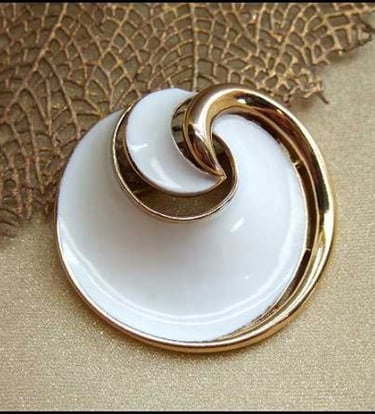
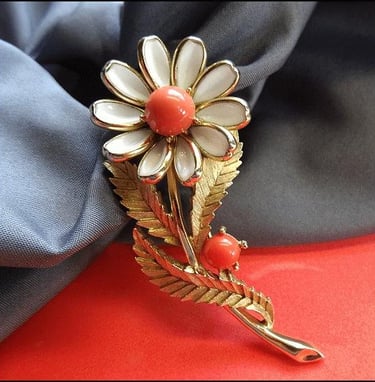
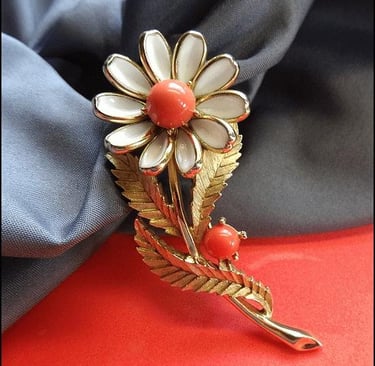
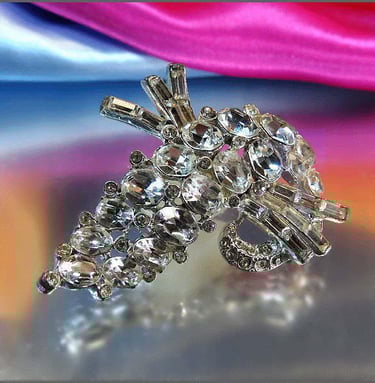
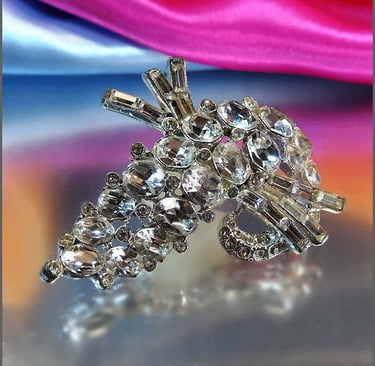
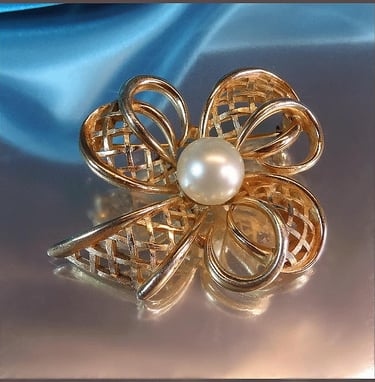
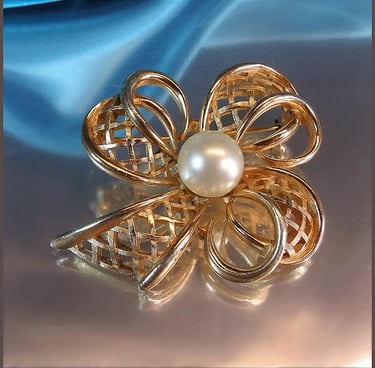
Click on the above images for active Trifari Jewelry listings for sale.